

sqlite3数据库归纳
作者:网络转载 发布时间:[ 2014/1/21 11:28:24 ] 推荐标签:数据库 嵌入式
sqlite3数据库是关系型数据库,体积小,支持ACID事物。
(ACID,指数据库事务正确执行的四个基本要素的缩写。包含:原子性(Atomicity)、一致性(Consistency)、隔离性(Isolation)、持久性(Durability)。一个支持事务(Transaction)的数据库系统,必需要具有这四种特性,否则在事务过程(Transaction processing)当中无法保证数据的正确性,交易过程极可能达不到交易方的要求。)
/********************************************/
sqlite是一个轻量级的嵌入式数据库。
特征:
1.零配置,无需安装和管理配置;
2.储存在单一磁盘文件中的一个完整的数据库;
3.数据库文件可以在不同字节顺序的机器间自由共享;
4.支持数据库大小至2TB;
5.足够小,全部源代码大致3万行c代码,250KB;
6.比以前流行的大多数数据库对数据的操作要快;
/*******************************************/
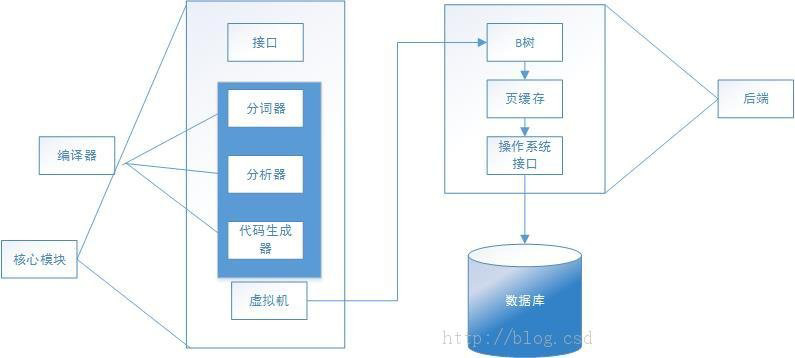
SQLite数据库采用模块化设计,由8个独立的模块构成,这些独立模块又构成了三个主要的子系统,模块将复杂的查询过程分解为细小的工作进行处理。
/*******************************************/
手工建数据库:
linux@ubuntu:~$ sqlite3 my.db
查看帮助:
sqlite> .help
文件存放位置:
sqlite> .database
退出:
sqlite> .quit
查看表:
sqlite> .tables
显示表的结构:
sqlite> .schema
1.建表:
sqlite> create table usr(id integer primary key, name text,age integer null, gender text, salary real not null);
2.删除表
sqlite> drop table usr;
3.增:
sqlite> insert into usr(id, name, age, salary) values(2, 'liu', 20, 6000);
4.删
sqlite> delete from usr where id = 2;
5.改:
sqlite> update usr set gender = 'man' where id = 3;
6.查:
sqlite> select * from usr where id = 2;







 sales@spasvo.com